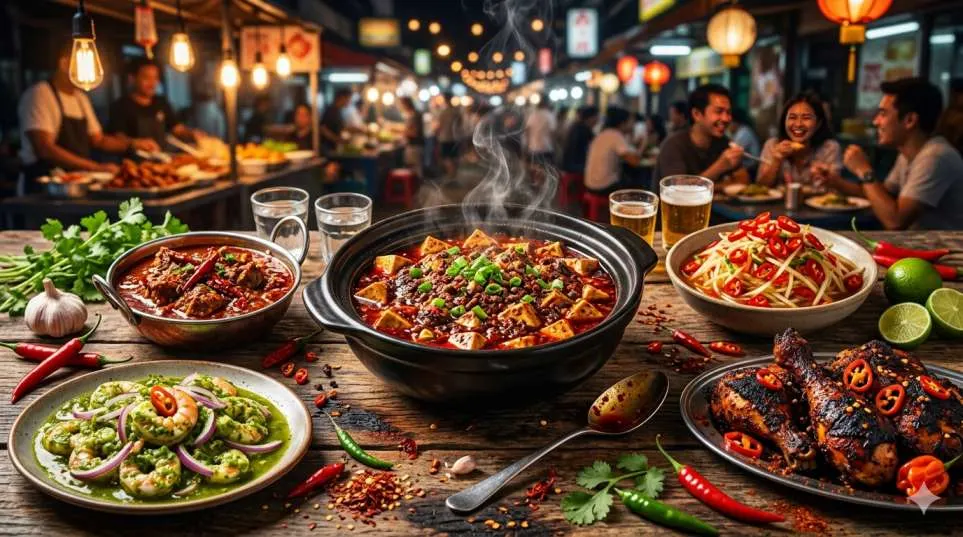
Spices have various meanings throughout the different regions of the world. Some cuisines use spices to create intense burning sensations. The other style of spice use produces a flavor that lasts until it fully consumes the body. The world's most spicy dishes share a commonality through two elements, which include their extreme heat and their cooking purpose.
These dishes function as challenges that people must overcome while honoring local chili varieties and demonstrating that fire holds cultural significance beyond its ability to create shock. The following ten dishes are some of the most extreme, spicy foods that people believe exist on Earth.
Phaal curry
People consider Phaal curry the spiciest curry ever created. South Asian chefs in the United Kingdom designed the dish as a heat challenge. The product contains several extremely hot chilies that combine with minimal sweetness and fat to create an intense heat experience. The outcome delivers an intense force that strikes the body with complete power. The experience of eating this food focuses on testing endurance instead of enjoying its taste.
You may also read :- Easy Mexican Beef Tacos Recipe You Can Make at Home
Sichuan hot pot
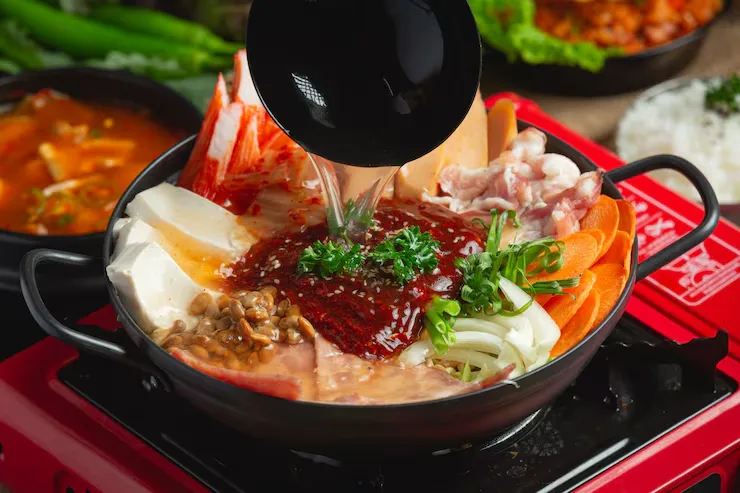
Sichuan hot pot delivers a double assault: intense chili heat and mouth-numbing peppercorns. The broth contains dried chilies and chili oil together with aromatics that attach themselves to all ingredients cooked into the broth. The spice remains present for an extended period. The taste maintains its presence through multiple stages because it keeps coming back after each mouthful.
Laal Maas
This Rajasthani lamb curry owns its look and taste completely—bright red and brutally spicy. Real laal maas doesn't rely on garam masala blends. Instead, it uses local red chilies to build a slow, deep heat that creeps up on you. The fat from the meat helps balance the spices a bit, but make no mistake—the dish stays fiercely hot.
Goan Vindaloo
Real Goan vindaloo? Not even close to the mild stuff restaurants push these days. The sauce runs on vinegar, garlic, and dried red chilies. That's it. That combo gives you a sharp, sour, spicy hit. No sweetness whatsoever. But fat? Oh, there's plenty of that.
Buldak (fire chicken)
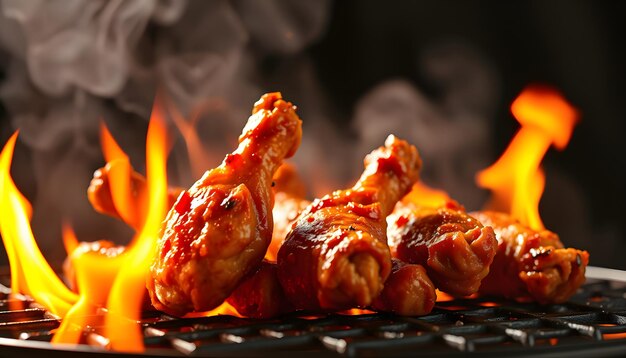
Buldak represents the most extreme version of Korean spice. A dense chili paste covers the chicken and combines smoky, sweet, and extremely spicy flavors. The dish has reached international fame through online spice challenges, yet it remains a street food designed to test limits while delivering authentic street food taste.
Nam Prik–based Thai dishes
The Thai chili paste made with bird's eye chilies, lime, and fish sauce has extreme heat. An immediate burning sensation is begun by the rice and stir-fry dishes from this restaurant that continues to affect diners. Both heat and exact taste delivery are provided by Thai spices that are used by chefs without showing any remorse.
Doro Wat
The chicken stew from Ethiopia uses berbere, which is a spice mix that contains dried chili peppers and various spices that produce heat. The heat builds gradually through the body because it spreads warmth instead of producing an instantaneous effect. The food has a rich and complex taste that becomes intense when people eat it in large amounts.
Mala Xiang Guo
Mala Xiang Guo operates through a dry-frying method, which differs from the hot pot cooking method. The cooking process mixes vegetables and meats with chili oil, dried chilies, and Sichuan peppercorns until they achieve complete spice coverage. The absence of broth creates an intense heat that delivers a powerful, numbing flavor that remains through each bite.
Spaghetti All’assassina
This dish from southern Italy brings unexpected flavors to those who taste it. Chefs prepare the pasta by cooking spaghetti in a tomato sauce that contains a high amount of chili until the noodles reach a point of burning. The sharpness of the heat together with its smoky flavor demonstrates that Asian dishes do not hold exclusive rights to extremely spicy flavors.
Ají Amarillo–based Peruvian dishes
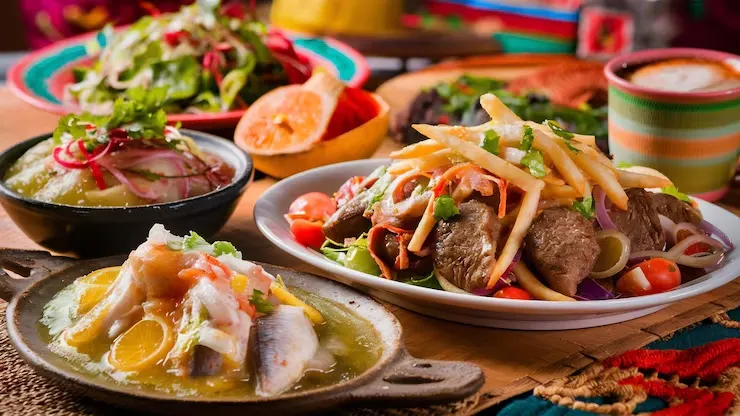
Peruvian dishes that use ají amarillo can look mild, but serious heat is delivered. The chili's fruity notes mask its strength, which creates a delayed burn that grows with each bite. A contrast is established by the combination of creamy sauces and potatoes, which makes the spice feel more intense.
Shrimp Creole, USA
Cajun and Creole both come from Louisiana, down in the southern US. Two different styles, same neighborhood. Creole cooking leans on stuff like onions, tomatoes, and cayenne pepper. Take shrimp creole. That dish runs on the usual Creole base—onion, celery, and bell peppers. That's the backbone. From there, chefs throw in hot pepper sauce or a cayenne mix to wake it all up.
People make it different ways. Lots of versions out there. But one thing never changes. The spice. It's always strong. Always there.